Elevated fasting insulin is one of the earliest warning signs of metabolic dysfunction — often showing up years before glucose or A1c budge. Here's what the evidence actually supports, how to dose it, and who genuinely needs to bother.
Why Fasting Insulin Deserves More Attention Than Fasting Glucose
Most people never check fasting insulin until something has already gone wrong. Standard checkups measure fasting glucose, which stays deceptively normal for years while insulin quietly climbs to compensate for worsening insulin resistance. By the time glucose numbers start drifting upward, the underlying metabolic dysfunction may have been building for a decade.
Fasting insulin is one of the earliest, most sensitive markers of how hard your pancreas is working to keep blood sugar in range. Elevated fasting insulin — generally considered anything above 8-10 uIU/mL, though optimal ranges trend lower — signals that your cells are becoming resistant to insulin's signal, forcing the body to produce more of it just to maintain normal glucose. This is the metabolic phase that precedes prediabetes, weight gain resistance, PCOS symptoms, and elevated triglycerides.
Who Actually Needs a Fasting Insulin Testing and Support Strategy
Not everyone needs to obsess over this number, but certain groups benefit enormously from knowing it and addressing it proactively.
- Anyone with a family history of type 2 diabetes, even with normal glucose readings
- Women with PCOS, irregular cycles, or difficulty losing weight despite diet and exercise effort
- People carrying excess visceral fat, especially around the midsection
- Those with elevated triglycerides, low HDL, or fatty liver findings on imaging
- Anyone experiencing energy crashes, sugar cravings, or brain fog a few hours after meals
Getting Tested Before You Supplement
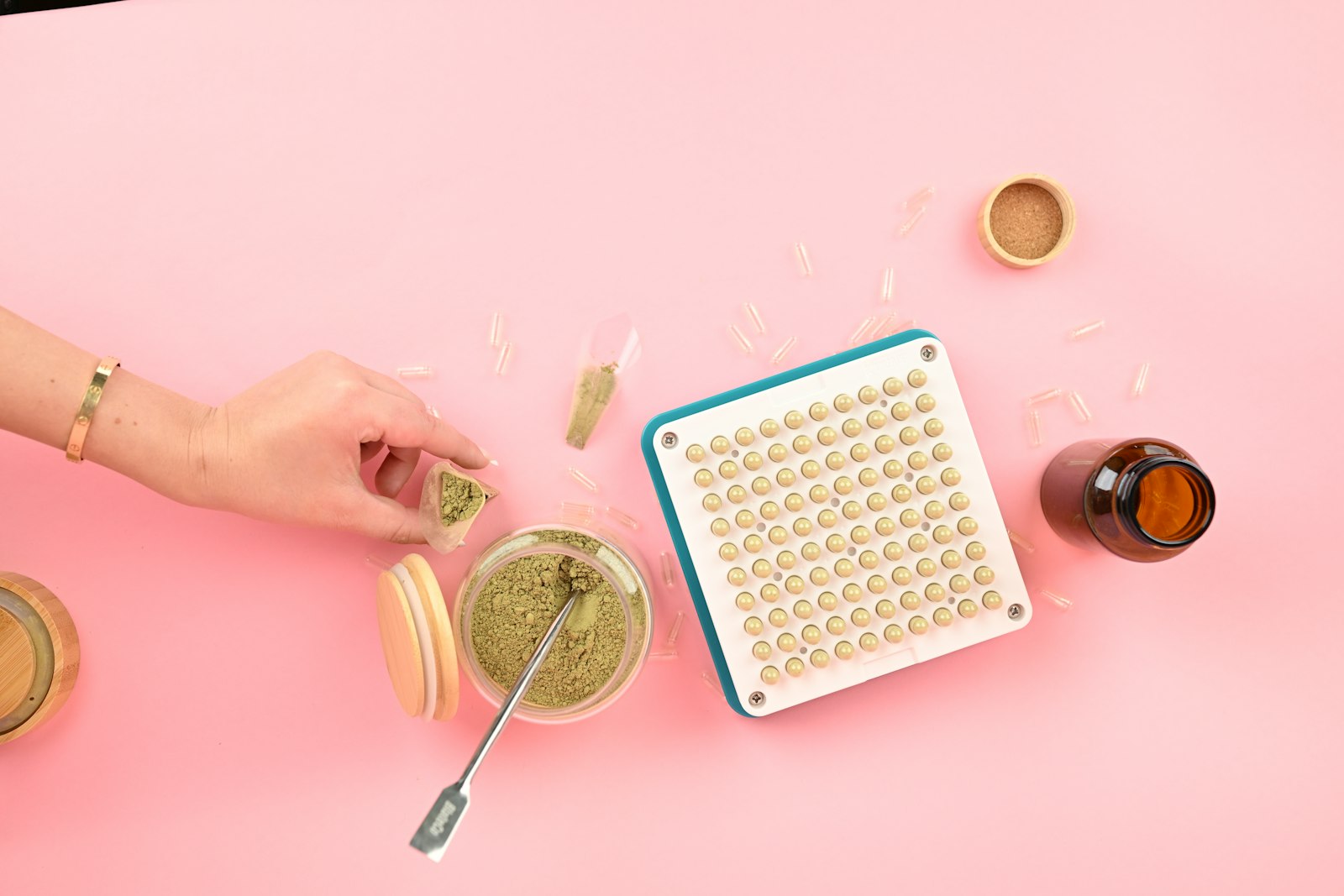
Supplements work best when you have a baseline to measure against. Testing fasting insulin — ideally alongside fasting glucose to calculate HOMA-IR — gives you a concrete number to track over 90-day intervals as you introduce lifestyle and supplement changes. Guessing wastes both time and money.
Check Your Fasting Insulin Before You Supplement
Order a fasting insulin panel or a full metabolic panel with no doctor's visit required, get results in days, and know exactly where you stand before spending on supplements.
Check Testing Options →The Ingredient Categories That Actually Move Insulin Sensitivity
The supplement market is flooded with proprietary blends promising to "balance blood sugar," but only a handful of ingredient categories have meaningful research behind them for insulin sensitivity specifically, as opposed to glucose alone.
- Berberine — a plant alkaloid studied for activating AMPK, the same cellular energy pathway targeted by metformin
- Chromium picolinate — supports insulin receptor function, though effect sizes vary by baseline deficiency
- Magnesium glycinate or malate — insulin receptors require magnesium to function properly, and deficiency is common
- Alpha-lipoic acid — an antioxidant studied for supporting glucose uptake and reducing oxidative stress in insulin-resistant tissue
- Myo-inositol (often paired with D-chiro-inositol in a 40:1 ratio) — particularly well studied in PCOS populations for improving insulin signaling
- Cinnamon extract (standardized cinnamaldehyde) — modest but consistent evidence for post-meal glucose support
Best Fasting Insulin Supplements, Ranked
Berberine has the deepest body of clinical research of any over-the-counter compound in this category. It's typically dosed at 500mg two to three times daily with meals, since it has a short half-life and works best distributed throughout the day. Look for standalone berberine HCl rather than heavily diluted blends, and expect to give it a full 8-12 week trial before judging results. Mild GI upset in the first week is common and usually resolves.
2. Myo-Inositol + D-Chiro-Inositol (40:1 ratio, 2-4g daily)
This combination is the standout pick for women with PCOS-driven insulin resistance. The 40:1 ratio mirrors what's naturally found in healthy ovarian tissue and has the strongest research base of any inositol formulation. Powder forms mixed into water are typically more cost-effective per gram than capsules at the doses studies use.
3. Magnesium Glycinate (200-400mg elemental, evening)
Often overlooked, magnesium deficiency directly impairs insulin receptor sensitivity. Glycinate is the best-absorbed, most stomach-friendly form and doubles as a sleep-quality aid, which itself has downstream effects on insulin sensitivity given the well-documented link between poor sleep and next-day insulin resistance.
4. Alpha-Lipoic Acid (300-600mg daily)
ALA works well as a complementary addition rather than a standalone strategy. It's most useful for people also managing oxidative stress markers or early neuropathy symptoms, where its antioxidant properties do double duty.
| Supplement | Typical Daily Dose | Best For | Time to Notice Effect |
|---|---|---|---|
| Berberine HCl | 1000-1500mg, split with meals | General insulin resistance, elevated fasting glucose | 8-12 weeks |
| Myo-Inositol (40:1) | 2000-4000mg | PCOS, irregular cycles, ovarian insulin resistance | 8-12 weeks |
| Magnesium Glycinate | 200-400mg elemental | Deficiency correction, sleep-linked insulin resistance | 4-8 weeks |
| Alpha-Lipoic Acid | 300-600mg | Oxidative stress, complementary support | 8-12 weeks |
| Chromium Picolinate | 200-400mcg | Mild support, cravings management | 6-10 weeks |
Shop Berberine HCl Standalone Formulas
Skip the proprietary blends and look for third-party tested berberine HCl at 500mg per capsule for accurate, stackable dosing.
Browse Berberine Options →Shop Myo-Inositol Powder (40:1 Ratio)
Look for unflavored powder blends with the clinically studied 40:1 myo-inositol to D-chiro-inositol ratio for PCOS-related insulin support.
Browse Inositol Options →Stacking Strategy: What to Combine and What to Avoid
A reasonable starting stack is berberine plus magnesium glycinate, since they address different mechanisms — cellular energy signaling and receptor cofactor availability — without overlapping side effects. Women with PCOS often do better starting with myo-inositol alone before adding berberine, since combining multiple new compounds makes it harder to isolate what's actually working.
Avoid combining berberine with prescription glucose-lowering medications without medical supervision, since the additive effect can push blood sugar lower than intended. This is exactly the kind of interaction worth discussing with a physician, particularly if you're also retesting labs.
Retest in 90 Days to Confirm What's Working
Track fasting insulin, glucose, and HOMA-IR alongside a broader metabolic panel to see measurable change before deciding whether to continue, adjust, or add to your stack.
View Retesting Panels →The Bottom Line
Supplements are a legitimate tool for supporting insulin sensitivity, but they work best as one part of a broader strategy that includes resistance training, adequate sleep, and reducing refined carbohydrate load — not as a replacement for those fundamentals. Berberine and myo-inositol have the strongest evidence bases of anything sold without a prescription, magnesium correction is nearly universally worthwhile, and everything else is secondary support at best.
Test first, choose one or two targeted supplements based on your specific picture, give it a genuine 8-12 week window, and retest. That data-driven loop — not the supplement bottle alone — is what actually changes your metabolic trajectory.
From across the network
More from the network on related topics: VitaminSupplyCenter · TestBoostLab · EliteRecoveryLab.