Biological age tests don't come with a dosage label, but testing too often — or too rarely — can quietly wreck the accuracy of your results. Here's the evidence-based cadence, timing, and sample-size guidance that actually holds up.
What "Dosage" Actually Means for a Biological Age Test
Unlike a supplement, you don't take a biological age test in milligrams. But "how much should you take" is still the right question — it's about how often you test, what sample volume is required, and how you layer different test types so the data stays accurate and actionable instead of noisy and expensive.
In 2026, the biological age testing category spans at-home epigenetic clock kits, blood-panel-based biological age calculators, and telomere or proteomic assays. Each has a different testing rhythm, and using the wrong cadence is the single biggest reason people get confusing or contradictory results.
The Core Dosing Principle: Frequency Over Frantic Testing
Biological age markers — especially DNA methylation-based epigenetic clocks — don't move meaningfully week to week. Cellular aging responds to sustained changes in sleep, training load, diet, and stress over months, not days. Testing too frequently wastes money and can mislead you into reacting to normal biological noise rather than a real trend.
The general rule used by most clinical wellness programs: test no more than once every 3-6 months for epigenetic or blood-based biological age panels, unless you've made a major health intervention (new medication, significant weight change, smoking cessation) you specifically want to track.
- Baseline test: establish your starting biological age
- Follow-up at 3-6 months: only after sustained lifestyle changes
- Annual retest: the standard maintenance cadence for most healthy adults
- Avoid monthly testing — it rarely shows statistically meaningful movement
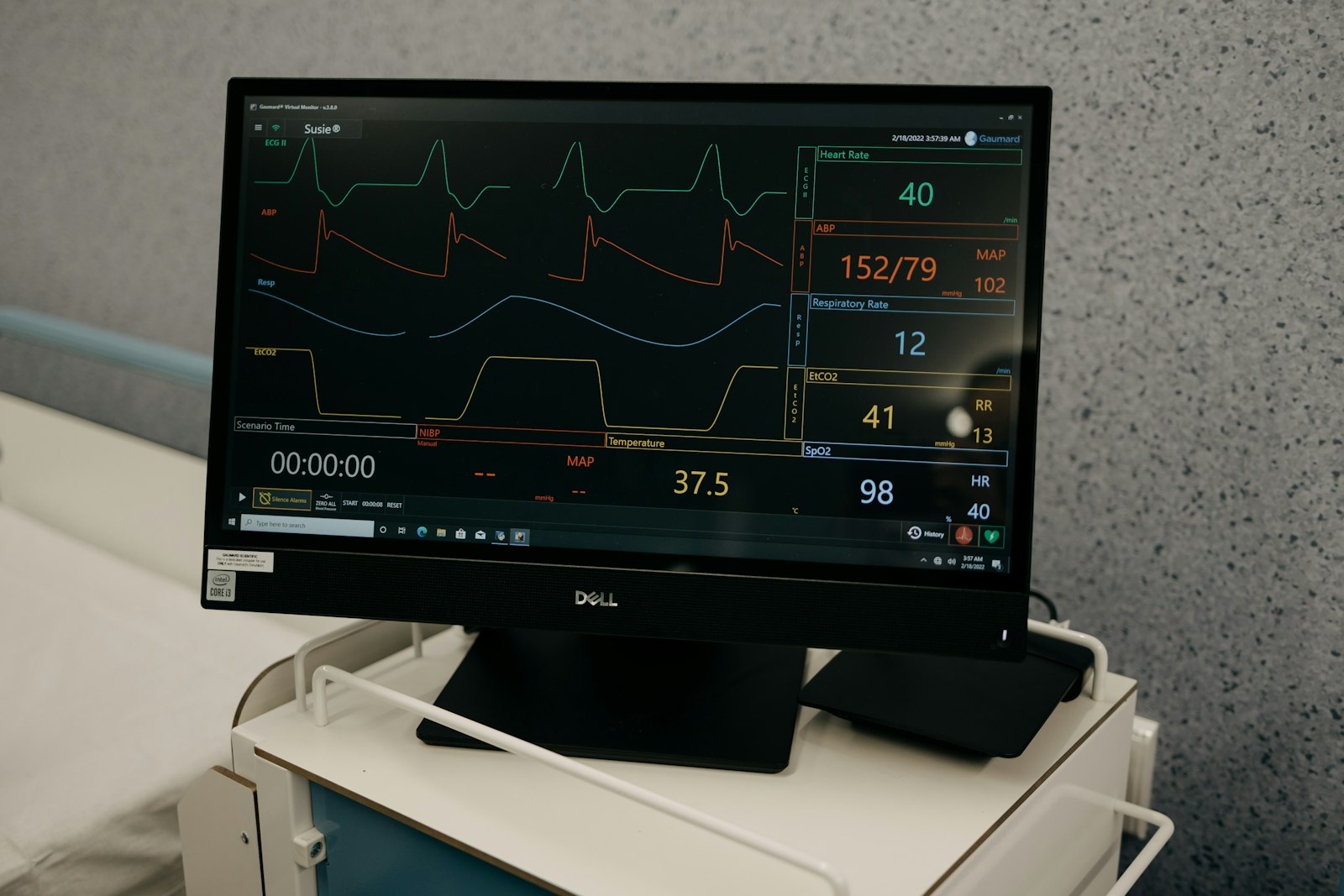
Matching Test Type to Testing Frequency
Different biological age test formats have different sensitivity windows. Understanding this helps you avoid over-testing one modality while under-testing another.
- Epigenetic clock (DNA methylation) tests: every 6-12 months — slow-moving, reflects long-term cellular aging
- Blood biomarker-based biological age calculators (using CBC, metabolic panel, CRP, etc.): every 3-6 months — more responsive to recent diet and inflammation changes
- Telomere length tests: annually at most — high measurement variability makes frequent testing unreliable
- VO2 max or fitness-age proxies: every 8-12 weeks — these move faster with training and are a useful bridge between slower lab tests
Sample Size and Collection: Getting Enough "Dose" of Data
Under-collecting sample material is a quiet but common failure point. Saliva-based epigenetic kits typically require a specific volume threshold to extract usable DNA — rushing the collection (not swabbing long enough, or testing right after eating or brushing teeth) can produce a failed or low-confidence result.
For blood-based biological age panels, accuracy depends on getting a complete marker set rather than a partial one. A panel that only measures 3-4 biomarkers will swing your biological age estimate more dramatically than one built on 10+ markers, simply due to smaller sample size in the statistical model. When comparing kits, more markers generally means more a stable, trustworthy number — not just a more expensive one.
Start With a Verified Baseline Blood Panel
Personalabs offers physician-authorized blood draws at nationwide lab locations, letting you capture the full biomarker set that feeds accurate biological age calculations before you test again.
Check Panel Options →
Timing Your Test: Morning, Fasted, and Cycle Considerations
Timing affects dose-equivalent accuracy. For blood-based biological age panels, test in the morning after a 10-12 hour fast — glucose, triglycerides, and inflammatory markers like CRP shift throughout the day and after meals, which can skew the composite score.
Avoid testing within 48 hours of intense exercise, acute illness, or heavy alcohol intake. CRP and white blood cell markers spike temporarily under these conditions and can make your biological age look artificially older than your true baseline. For women, some practitioners recommend testing at a consistent point in the menstrual cycle, since hormonal fluctuation can influence certain inflammatory and metabolic markers.
- Fast 10-12 hours before blood-based tests
- Skip testing within 48 hours of hard workouts or illness
- Keep the time of day consistent across repeat tests
- Avoid alcohol for 24-48 hours prior
Safety: What's Actually Low-Risk Here
Saliva and cheek-swab epigenetic kits carry essentially no physical risk — the main safety consideration is data privacy, so review how a company stores and uses your genetic information before purchasing. Blood draws, whether at-home finger-stick or phlebotomy-based, carry the same minor risks as any standard lab draw: bruising, lightheadedness, or a failed draw requiring a redo.
The bigger safety issue isn't physical — it's psychological and behavioral. A single biological age number, especially from a lower-marker-count kit, has a real margin of error. Treat any single result as a data point, not a diagnosis, and avoid making drastic lifestyle or medical decisions off one test.
| Test Format | Sample Needed | Recommended Frequency | Best For |
|---|---|---|---|
| Epigenetic (DNA methylation) kit | Saliva or cheek swab | Every 6-12 months | Long-term cellular aging trend |
| Blood biomarker panel | Venous draw, 8-12 markers | Every 3-6 months | Tracking diet, inflammation, metabolic shifts |
| Telomere length test | Blood or saliva | Annually | General longevity context (high variability) |
| Fitness-age proxy (VO2 max, grip strength) | Lab or at-home device | Every 8-12 weeks | Fast feedback on training response |
Pair Lab-Grade Accuracy With At-Home Convenience
EmpowerDx-style at-home collection kits let you gather the blood or swab sample needed for biological age panels without a clinic visit, then ship directly to a certified lab for processing.
Explore Kits →Building a Realistic Annual Testing Schedule
A sustainable approach for most people: one comprehensive blood-based biological age panel and one epigenetic clock test per year, spaced six months apart, supplemented by fitness-age proxies (VO2 max, grip strength, walking speed) checked quarterly. This gives you a fast-moving signal (fitness) and two slow-moving, high-confidence signals (blood and epigenetic) without redundant spending.
If you're actively intervening — new training block, significant diet overhaul, quitting smoking, starting a new supplement protocol — it's reasonable to add one extra blood panel 3 months after the change to confirm direction before waiting for the full 6-12 month cycle.
Support the Markers You're Tracking
NMN, resveratrol, and omega-3 formulations are among the most researched categories for supporting metabolic and inflammatory markers measured in biological age panels — browse trusted options to pair with your testing schedule.
Shop on Amazon →The Bottom Line on Dosing Your Testing Routine
There's no pill-bottle dosage for biological age tests, but the principle is the same as any good health protocol: enough frequency to catch real trends, not so much that you're chasing noise. Anchor your routine around a baseline test, a 3-6 month blood recheck if you're actively changing habits, and an annual epigenetic and fitness-age reassessment.
Choose panels with robust marker counts, standardize your collection timing, and treat every result as part of a trend line — not a verdict. That's how you turn a biological age test from a novelty number into a genuinely useful tool for 2026 and beyond.
From across the network
More from the network on related topics: VitaminSupplyCenter · TestBoostLab · EliteRecoveryLab.