Cortisol testing isn't something you dose — it's something you time. Here's exactly how many samples, in what order, and why a single blood draw rarely tells the full story.
Why "Dosage" Is the Wrong First Question
Search for cortisol testing and you'll quickly land on dosage questions — how much saliva, how many blood draws, how often. But cortisol testing isn't a supplement you dose; it's a diagnostic window into your HPA axis (hypothalamic-pituitary-adrenal) rhythm. The real question isn't "how much should I take," it's "how much data do I need, and when should I collect it, to get an answer I can trust."
Cortisol follows a steep diurnal curve — high at waking, falling through the day, lowest at night. A single blood draw at 2pm tells you almost nothing about whether your rhythm is healthy. That's why the protocol (timing and number of samples) matters more than any single number.
The Main Testing Formats, Compared
Three formats dominate consumer and clinical cortisol testing in 2026: serum (blood), saliva, and urine (including dried urine, sometimes called DUTCH-style testing). Each has a different 'dose' of sampling built into the protocol.
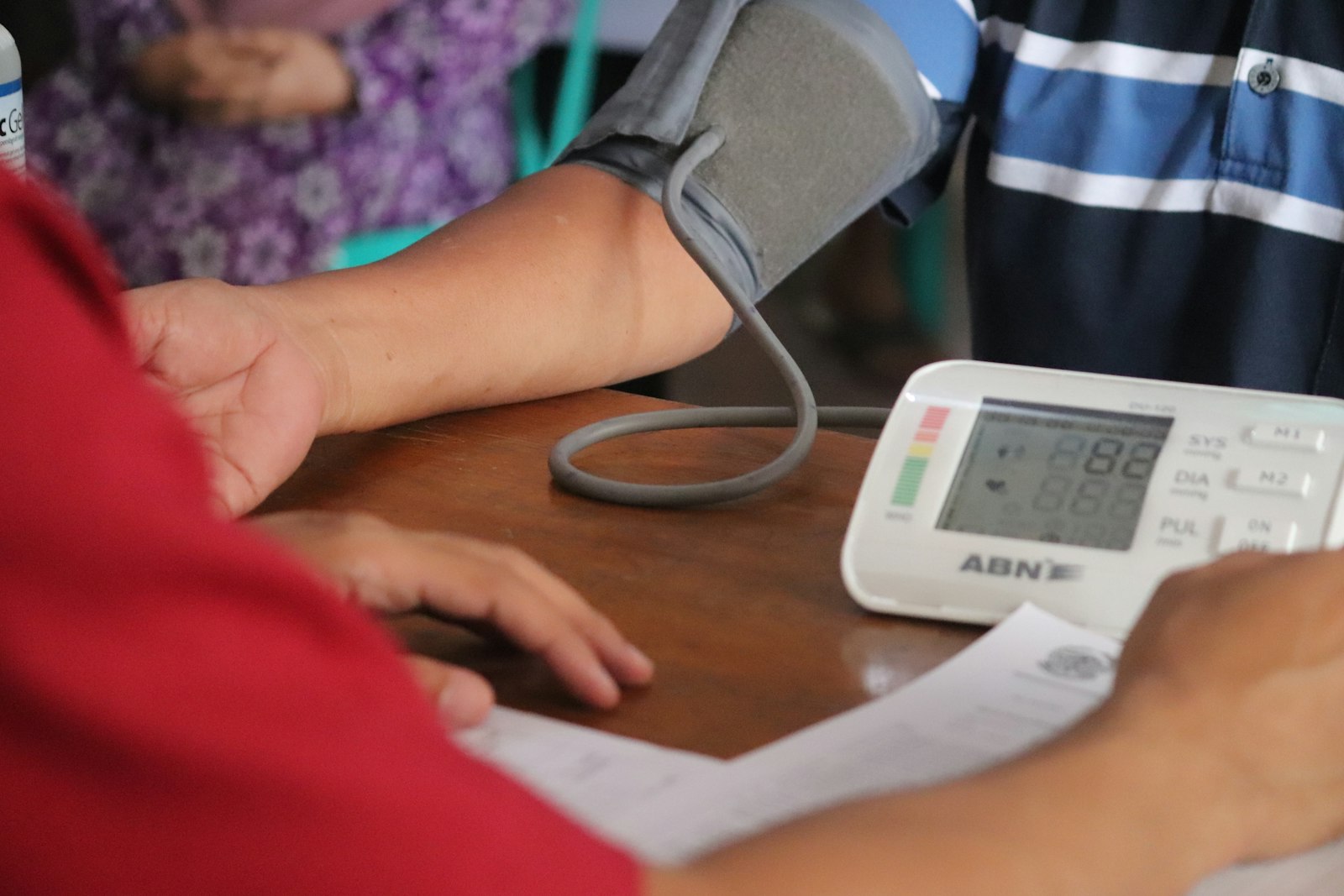
- Serum cortisol — single or two-point blood draw, usually AM and PM, drawn at a lab or via at-home kit with mail-in phlebotomy
- Salivary cortisol — 2 to 4 samples per day (waking, noon, afternoon, bedtime), self-collected at home, reflects free/active cortisol
- Dried urine (cortisol + metabolites) — 4-5 collections over 24 hours, captures both cortisol and its breakdown products for a fuller metabolic picture
How Many Samples Do You Actually Need?
This is the real dosing question. A single data point can flag an acute problem (like suspected Addison's or Cushing's disease, where values are dramatically outside range), but it cannot characterize a rhythm. If your goal is understanding fatigue, sleep issues, or stress resilience, you need at least two time points — ideally four.
Most reputable at-home panels default to a 2-sample AM/PM protocol as the minimum useful dose, and a 4-sample diurnal panel as the gold-standard consumer option. Taking only one sample and trying to interpret it against a population reference range is where most people go wrong.
Order Cortisol Blood Testing Without a Doctor's Visit
Personalabs lets you order AM cortisol panels (and AM/PM comparisons) online, then walk into a local draw site — results typically back within days.
Check Cortisol Panels →Timing: The Single Biggest Variable You Control
Cortisol testing is unusually timing-sensitive compared to most blood work. A waking-sample that's drawn even 30-60 minutes late can look artificially low simply because the natural morning peak has already started declining. Clinical and at-home protocols generally specify:
- Waking sample — within 10-30 minutes of waking, before coffee, food, or exercise
- Midday sample — roughly 4-6 hours after waking
- Afternoon/evening sample — late afternoon, before dinner
- Bedtime sample — right before sleep, to confirm the expected low point
| Format | Best For | Typical Sampling | Watch-Outs |
|---|---|---|---|
| Serum (blood) | Suspected adrenal disease, doctor-ordered workups | 1-2 draws (AM, sometimes PM) | Venipuncture itself can transiently raise cortisol |
| Saliva | Diurnal rhythm, stress/sleep pattern tracking | 2-4 samples/day, self-collected | Must avoid eating, brushing teeth, or bleeding gums before collection |
| Dried urine | Full metabolite picture, root-cause investigation | 4-5 collections over 24h | Longer protocol, more user compliance required |
What a "Normal" Result Actually Means
Reference ranges vary by lab and by time of collection, so a result is only meaningful next to the specific time it was drawn. Morning serum cortisol is expected to be meaningfully higher than an evening sample from the same person — that's not an abnormality, that's the rhythm working correctly.
What clinicians actually look for is the shape of the curve: a healthy pattern shows a clear morning peak and a steady decline toward a low nighttime trough. A flattened curve (high at night, low in the morning) or an exaggerated peak can be more informative than any single absolute number, which is exactly why multi-point testing outperforms a one-off draw.
Compare At-Home Hormone & Cortisol Panel Options
EmpowerDx-style at-home collection kits pair saliva or blood-spot cortisol with easy-to-read reports, so you can build a multi-point diurnal picture without multiple clinic visits.
See Panel Options →Safety: What's Actually Low-Risk vs. What Needs a Doctor
Cortisol testing itself carries essentially no physical risk beyond the minor discomfort of a blood draw — there's no substance being "dosed" into your body, only sample collection. The real safety consideration is interpretation: cortisol results that look dramatically abnormal (very high or very low, outside the expected diurnal swing) should always be reviewed by a physician rather than self-diagnosed.
Symptoms worth pairing with testing — rather than ignoring — include unexplained weight changes, severe fatigue that doesn't respond to sleep, unusual skin changes, or blood pressure swings. Testing is a screening tool; it complements a clinical workup, it doesn't replace one.
A Practical Protocol for First-Time Testers
If you're testing cortisol for general wellness or stress insight rather than a specific suspected disease, a sensible, low-cost starting protocol looks like this: run a 2-point AM/PM saliva or blood test first. If the gap between the two looks unusual, or symptoms persist, upgrade to a full 4-point diurnal saliva panel or a dried urine metabolite panel for a more complete picture, and bring both results to a clinician.
- Week 1: Waking + bedtime sample (2-point baseline)
- If abnormal: Full 4-point diurnal panel
- Persistent symptoms: Discuss urine metabolite testing and clinical workup with your doctor
At-Home Saliva Collection Kits & Accessories
Stock up on saliva collection tubes, cold-storage accessories, and companion sleep/stress trackers to support a consistent, well-timed testing routine.
Shop Collection Kits →The Bottom Line
There's no pill-style "dose" in cortisol testing — the dose that matters is how many samples you collect and how precisely you time them. A single random blood draw is the weakest option; a properly timed 2-4 point saliva or urine panel is the strongest consumer-accessible choice. Treat timing discipline (waking, midday, evening, bedtime) as seriously as the test itself, and always interpret results against expected diurnal ranges — ideally with a clinician — rather than a single absolute number.
From across the network
More from the network on related topics: VitaminSupplyCenter · TestBoostLab · EliteRecoveryLab.