Biological age tests promise to reveal your "true" age using DNA, blood, or telomere data — but the science behind these claims is far more nuanced than the marketing suggests. Here's what peer-reviewed research actually shows, and how to interpret your results without overreacting to a single number.
What Biological Age Tests Actually Measure
Chronological age is just a number on a calendar. Biological age is an attempt to estimate how old your cells, tissues, and organs actually behave — based on measurable biological signals rather than birthdate. The idea is compelling: if two 45-year-olds can have biological ages of 38 and 52 respectively, then biological age could reveal hidden health risk long before disease shows up.
Most consumer biological age tests fall into a few categories: epigenetic (DNA methylation) tests that analyze chemical tags on your DNA, blood biomarker panels that combine markers like glucose, inflammation, and lipids into an algorithmic score, and telomere length tests that measure the protective caps on your chromosomes. Each approach has a different evidence base, and they don't always agree with each other.
The Science Behind Epigenetic Clocks
Epigenetic clocks, first developed by researchers like Steve Horvath, use DNA methylation patterns at specific genomic sites to predict age with surprising accuracy in research settings — often within a few years of chronological age. Newer generation clocks (such as GrimAge and PhenoAge) were built specifically to predict mortality and healthspan rather than just chronological age, and they've shown meaningful associations with disease risk and lifespan in large population studies.
That said, most of this validation happened in research cohorts, not necessarily in the at-home test kits marketed directly to consumers. The underlying lab science is real and peer-reviewed, but how a specific commercial product processes your sample, what algorithm version it uses, and how it communicates results can vary significantly between companies.

Where the Evidence Gets Shaky
The biggest gap between science and marketing shows up in three areas: test-retest reliability, actionability, and regulatory oversight.
Reliability is a real concern. Studies comparing repeated measurements from the same person, taken close together in time, have found that some biological age scores can shift by several years — even without any real change in health status. That variability matters if you're using a single test result to make major lifestyle or medical decisions.
Actionability is the second issue. Even when a test accurately flags that your biological age is higher than your chronological age, it often can't tell you specifically why. Is it inflammation? Poor sleep? Diet? Genetics? A high score without a clear mechanism can create anxiety without a clear next step.
Finally, most direct-to-consumer biological age tests are not FDA-cleared as diagnostic tools. They're generally marketed as wellness or educational products, which means the regulatory bar for accuracy claims is lower than for a diagnostic blood test ordered through a physician.
| Test Type | What It Measures | Evidence Strength | Best Use |
|---|---|---|---|
| Epigenetic (DNA methylation) | Chemical markers on DNA linked to aging pace | Strong in research, mixed in consumer kits | Long-term trend tracking |
| Blood biomarker panels | Glucose, lipids, inflammation, kidney/liver markers | Well-established individual markers, newer combined scoring | Actionable health monitoring |
| Telomere length | Length of chromosome end-caps | Weaker correlation with individual aging outcomes | General curiosity, not diagnostic |
| Physical performance tests | Grip strength, VO2 max, gait speed | Strong evidence for functional aging | Real-world fitness benchmarking |
Why Blood Biomarkers May Be the More Practical Starting Point
While epigenetic clocks get the headlines, traditional blood biomarkers remain one of the most validated ways to understand your metabolic and cardiovascular aging trajectory. Fasting glucose, HbA1c, lipid panels, inflammatory markers like hs-CRP, and kidney/liver function tests are backed by decades of longitudinal research linking them directly to disease risk and mortality.
The advantage here is actionability: if your LDL cholesterol or fasting glucose is elevated, there are well-established, evidence-based interventions — diet changes, exercise, medication when appropriate — that a doctor can help you implement immediately. This is arguably where consumers get the most practical return on investment for a biological age testing budget.
Get a Comprehensive Blood Panel Without the Wait
Order physician-authorized lab testing including metabolic, lipid, and inflammatory markers to build a real, actionable picture of your biological health.
Check Panel Options →What About At-Home Combination Kits?
Several companies now offer at-home biological age kits that combine a finger-prick blood sample or cheek swab with an algorithm that outputs a single "biological age" number. These can be motivating and genuinely interesting as a snapshot, but treat the single number as a conversation starter, not a verdict.
If you try one, look for companies that disclose their methodology, publish peer-reviewed validation data, and clearly state what markers feed into the score. Be skeptical of any test that promises a precise biological age down to a fraction of a year without explaining its margin of error.
Pair Biological Age Curiosity With Real Diagnostic Testing
EmpowerDx offers convenient at-home test kits covering hormone and health markers that complement biological age tracking with concrete, lab-verified data points.
Explore Test Kits →How to Use Biological Age Results Responsibly
The most useful way to approach any biological age test in 2026 is as a trend-tracking tool, not a diagnosis. A single result tells you very little in isolation. What matters more is the direction of change over repeated tests taken under similar conditions — ideally alongside standard blood work ordered through a healthcare provider.
Consider this a practical checklist before investing in a test:
- Ask what specific biomarkers or methylation sites feed into the score
- Check whether the company publishes validation studies in peer-reviewed journals
- Understand the reported margin of error, not just the headline number
- Pair any biological age result with standard, physician-reviewed blood work
- Retest under consistent conditions (same time of year, similar fasting state) to track trends, not single snapshots
Complementary Tools Worth Considering
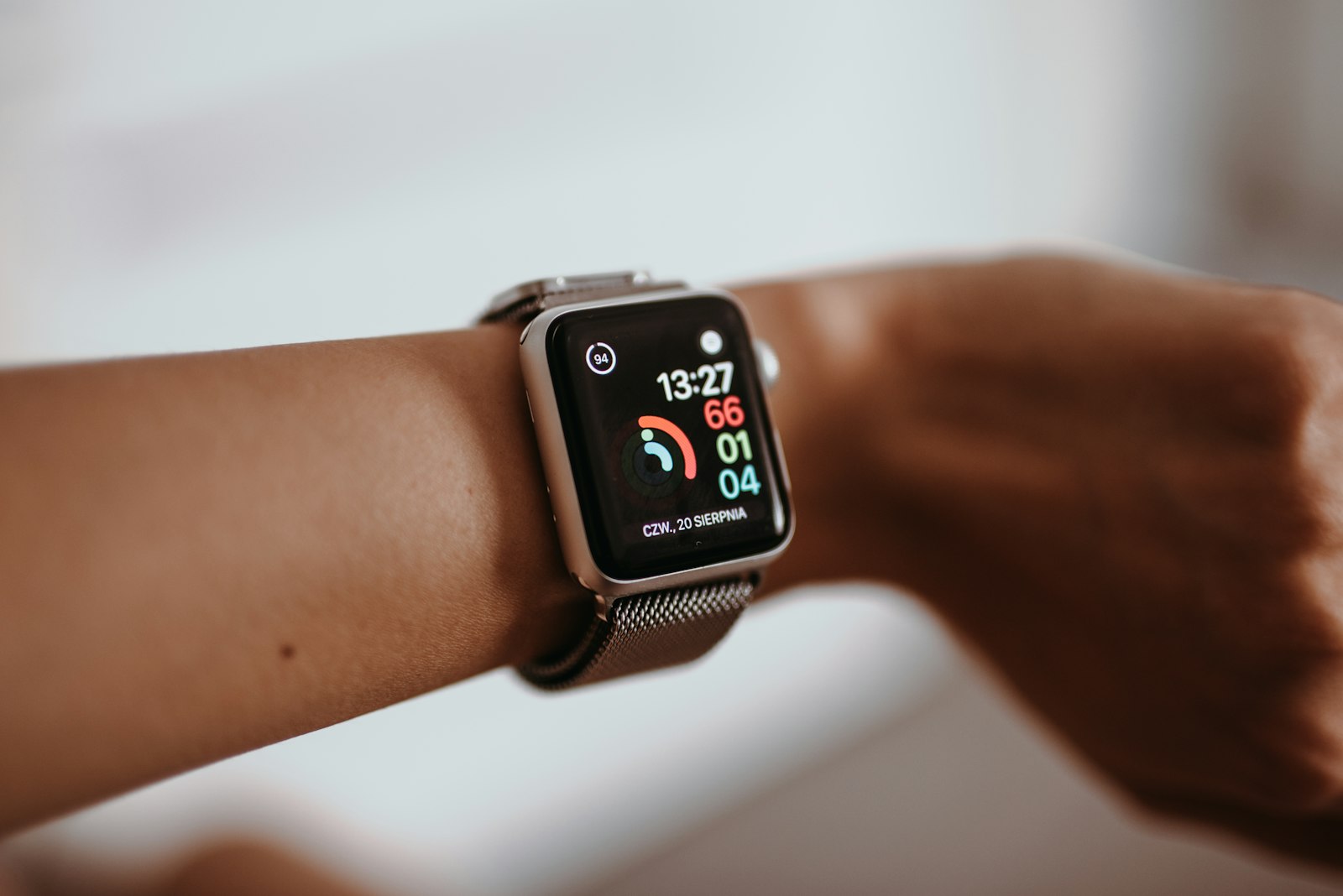
Alongside formal testing, tracking objective functional markers — grip strength, resting heart rate, sleep quality, VO2 max estimates from fitness wearables — gives you real-time feedback on how lifestyle changes are affecting your body, often faster and cheaper than repeated lab testing.
Track Daily Biomarkers Between Lab Tests
A quality fitness tracker or smart scale can help you monitor resting heart rate, sleep, and body composition trends that complement periodic biological age testing.
Shop Health Trackers →The Bottom Line
Biological age tests are built on real, published science — but the leap from research-grade epigenetic clocks to a consumer kit you order online isn't always a clean one. Reliability varies, actionability is often limited, and regulatory oversight is lighter than for standard diagnostic testing.
Used thoughtfully — as one data point among several, retested over time, and paired with standard blood work — biological age testing can be a genuinely useful motivator for healthier habits. Used as a single definitive verdict on your health, it risks creating false confidence or unnecessary anxiety. In 2026, the smartest approach is layering biological age curiosity on top of, not instead of, evidence-based medical monitoring.
From across the network
More from the network on related topics: VitaminSupplyCenter · TestBoostLab · EliteRecoveryLab.