Heart rate variability training has become a wellness buzzword, promising better stress resilience through breathing exercises and biofeedback apps. But beneath the marketing, a real body of psychophysiology research exists — and it tells a more nuanced, more useful story than most product pages let on.
What HRV Training Actually Claims to Do
Heart rate variability (HRV) training rests on a simple premise: the variation in time between your heartbeats reflects the balance of your autonomic nervous system. More variability generally signals a nervous system that can flexibly shift between sympathetic (stress/fight-or-flight) and parasympathetic (rest/recovery) states. HRV biofeedback devices and apps promise to train this flexibility through paced breathing, guided coherence sessions, and daily readiness scores.
The pitch sounds compelling — breathe at a specific rate, watch a number go up, and theoretically build a more resilient stress response. But does the science actually support behavior change, or is this another wearable trend riding on impressive-looking dashboards?
The Research Base: What's Actually Been Studied
HRV biofeedback (HRVB) has one of the more substantial research histories among wearable-adjacent interventions, partly because it predates consumer wearables by decades. Clinical psychology and psychophysiology labs have studied paced breathing and resonance frequency training since the 1990s, primarily for anxiety, PTSD symptom management, and blood pressure regulation.
A meta-analysis published in Applied Psychophysiology and Biofeedback pooling dozens of HRVB studies found consistent, moderate reductions in self-reported stress and anxiety symptoms across clinical and non-clinical populations. Effect sizes were generally in the small-to-moderate range — meaningful, but not transformative for everyone.
Where the evidence gets thinner is the leap from 'clinical biofeedback with a trained therapist' to 'consumer app tells you to breathe at 5.5 breaths per minute for five minutes.' Fewer studies have isolated the standalone effect of app-guided sessions without a practitioner, and even fewer have tracked outcomes beyond 8-12 weeks.
Resonance Frequency: The Mechanism That Seems to Matter Most
The strongest mechanistic explanation for why HRV training works when it works involves resonance frequency breathing — finding the specific breathing rate (typically between 4.5 and 7 breaths per minute, individualized) that maximizes the amplitude of heart rate oscillations tied to baroreflex activity.
Studies using this individualized approach, rather than a generic 'breathe slowly' instruction, tend to show larger and more reproducible effects. This matters for anyone evaluating a device: apps that let you find and lock in your personal resonance frequency are working from a more evidence-backed model than those using one-size-fits-all breathing pacers.
Check HRV-Capable Chest Straps
Chest strap monitors typically offer more accurate beat-to-beat data than wrist sensors, which matters if you're trying to find your actual resonance frequency rather than an approximation.
Compare Options →What Realistic Improvement Looks Like
If you're expecting HRV training to dramatically raise your baseline HRV number within a few weeks, the evidence doesn't support that expectation for most healthy adults. Baseline HRV is heavily influenced by age, genetics, fitness level, and health conditions — factors that don't shift quickly.
What the research does support is more modest and arguably more useful: improved subjective stress regulation, better ability to consciously downshift during acute stress, and small measurable improvements in vagal tone markers over 8-12 weeks of consistent practice (generally defined as 10-20 minutes, 4-6 days per week).
In other words, HRV training seems to work more as a stress-response skill you're practicing than a biomarker you're passively optimizing. That's a meaningful distinction — it means consistency and technique matter more than which specific app or device you use.
Who Tends to See the Clearest Benefits
The clinical literature suggests HRV biofeedback shows the most consistent benefit in people with elevated baseline anxiety, mild hypertension, or high self-reported stress — populations with more room to move on the metric. Already well-regulated, highly fit individuals may see smaller relative changes simply because there's less headroom.
| Claim | Evidence Strength | What to Expect Realistically |
|---|---|---|
| Reduces self-reported stress/anxiety | Moderate-strong (multiple meta-analyses) | Noticeable within 4-8 weeks of consistent practice |
| Raises resting HRV baseline substantially | Weak-moderate | Small gains possible; large shifts unlikely without other lifestyle changes |
| Improves blood pressure regulation | Moderate | Modest reductions reported in some hypertensive populations |
| Improves sleep quality directly | Weak | Indirect benefit via reduced pre-sleep arousal, not well isolated |
| Works better with individualized resonance frequency | Moderate-strong | Worth prioritizing devices/apps that identify your personal rate |
Where Consumer Wearables Fit Into the Picture
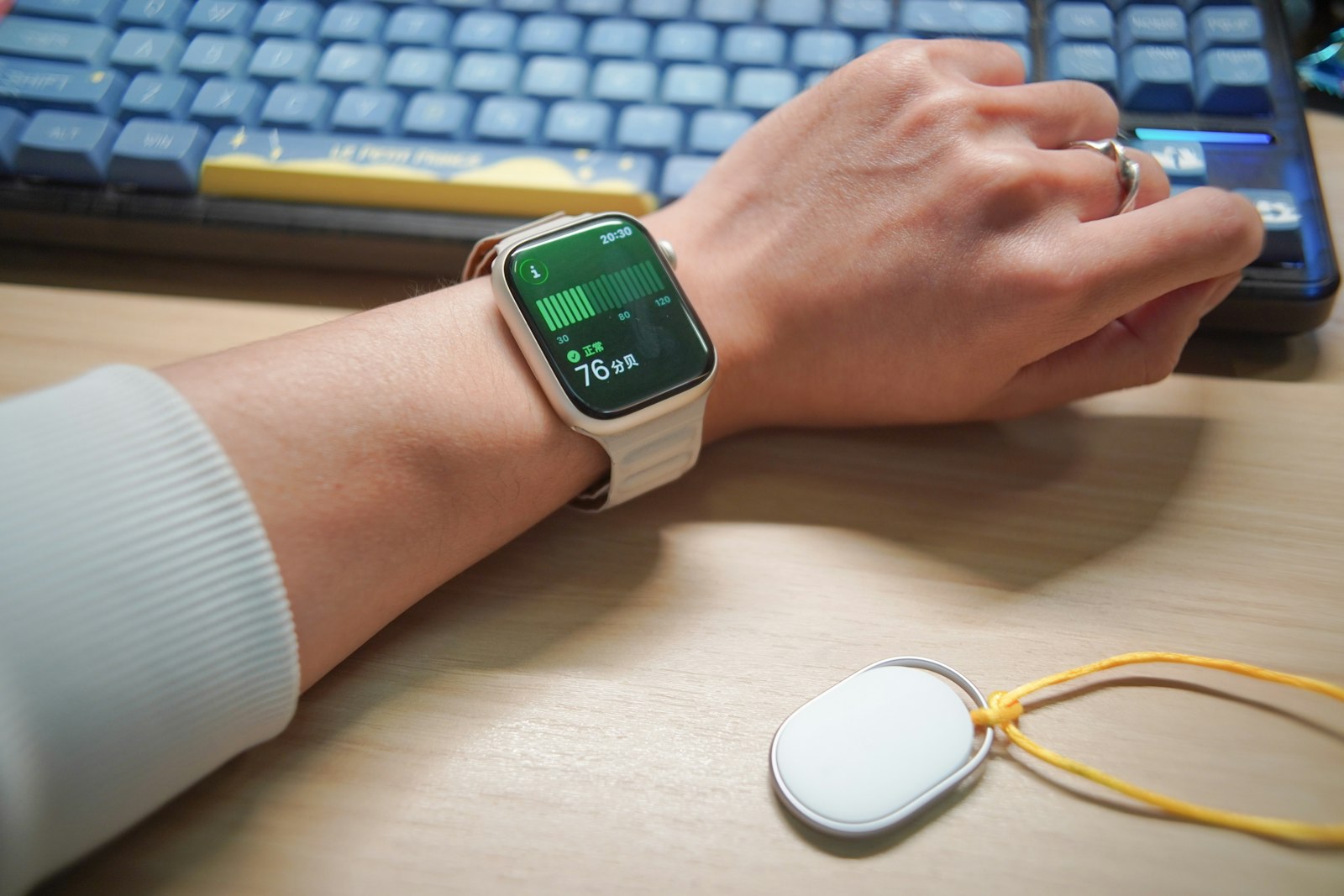
Most consumer wearables estimate HRV using photoplethysmography (PPG) at the wrist, which is convenient but less precise than chest-strap ECG-based measurement, especially during motion or for capturing fine beat-to-beat variation during guided breathing sessions.
This doesn't make wrist-based daily HRV trends useless — they're reasonable for spotting broad patterns like accumulated fatigue or illness onset. But if your goal is specifically resonance frequency training or precise biofeedback sessions, a dedicated chest strap or finger-sensor device paired with a proper HRVB app will give you more trustworthy data to train against.
Get a Full Autonomic & Cardiovascular Baseline
Before investing months in HRV training, a comprehensive metabolic and cardiovascular panel through HealthRx can flag underlying factors — thyroid issues, inflammation, blood sugar dysregulation — that influence HRV independent of stress practice.
View HealthRx Panels →Practical Takeaways: Making HRV Training Worth Your Time
Based on the current evidence, HRV training is genuinely useful but not magic. It works best as one input in a broader recovery and stress-management strategy rather than a standalone fix, and it works best when practiced consistently rather than checked obsessively.
A reasonable, evidence-aligned approach: use a device that helps you identify your individual resonance breathing rate, commit to short daily sessions for at least 8-12 weeks before judging results, and treat your HRV trend line as one data point among several — sleep quality, training load, and how you actually feel matter just as much.
- Prioritize apps/devices that calculate individual resonance frequency, not generic pacers
- Commit to a minimum 8-12 week trial before evaluating effectiveness
- Track subjective stress and sleep alongside the HRV number itself
- Consider a chest-strap sensor if wrist-based readings feel inconsistent during sessions
- Rule out underlying health factors that can suppress HRV independent of stress
Explore HRV & Biofeedback Apps' Companion Sensors
Finger-clip and chest-strap sensors compatible with major HRV biofeedback apps can improve signal accuracy for resonance frequency training sessions.
Shop Sensors →Bottom Line
The science says HRV training works — but modestly, and mostly as a trainable stress-regulation skill rather than a fast-track biomarker hack. If you go in with realistic expectations, individualized technique, and enough patience for an 8-12 week trial, the research suggests you're likely to notice real, if incremental, benefits in stress resilience and self-regulation.
From across the network
More from the network on related topics: VitaminSupplyCenter · TestBoostLab · EliteRecoveryLab.