Every smartwatch now flashes a VO2 max score at you, but few explain what it means, how accurate it is, or whether improving it actually changes your health. The research on cardiorespiratory fitness is some of the most robust in exercise science—yet the number on your wrist and the number in a lab are not the same thing. Here's a grounded look at what VO2 max really measures, what the studies say about its predictive power, and how to realistically improve it in 2026.
What VO2 Max Actually Measures
VO2 max is the maximum rate at which your body can consume oxygen during intense exercise, expressed in milliliters of oxygen per kilogram of body weight per minute. It reflects the combined efficiency of your heart, lungs, blood, and muscle mitochondria working together to deliver and use oxygen for energy production.
In a laboratory, VO2 max is measured directly through a graded exercise test using a metabolic cart that analyzes inhaled and exhaled gases while you run or cycle to exhaustion. This is considered the gold standard. Everything else—including every wearable estimate—is a prediction built from proxy data like heart rate, pace, and personal stats.
The Evidence Is Real: VO2 Max Predicts Longevity
This is where the science is genuinely strong, not just marketing. Large cohort studies, including work published in JAMA and reviews from major cardiology and sports medicine journals, consistently rank cardiorespiratory fitness among the top predictors of all-cause mortality—often outperforming traditional risk factors like smoking status, blood pressure, and even diabetes diagnosis in some models.
Research comparing fitness levels has repeatedly found that people in the lowest fitness quartile face substantially higher mortality risk than those in the highest quartile, independent of body weight. This is a key finding: fitness appears to matter even for people who are overweight or obese, suggesting cardiorespiratory capacity itself, not just body composition, is doing meaningful protective work.
The takeaway from decades of exercise physiology research is unambiguous: raising your VO2 max, even modestly, is associated with reduced cardiovascular events, better metabolic health, and lower mortality risk across age groups.
Where the Hype Outpaces the Data
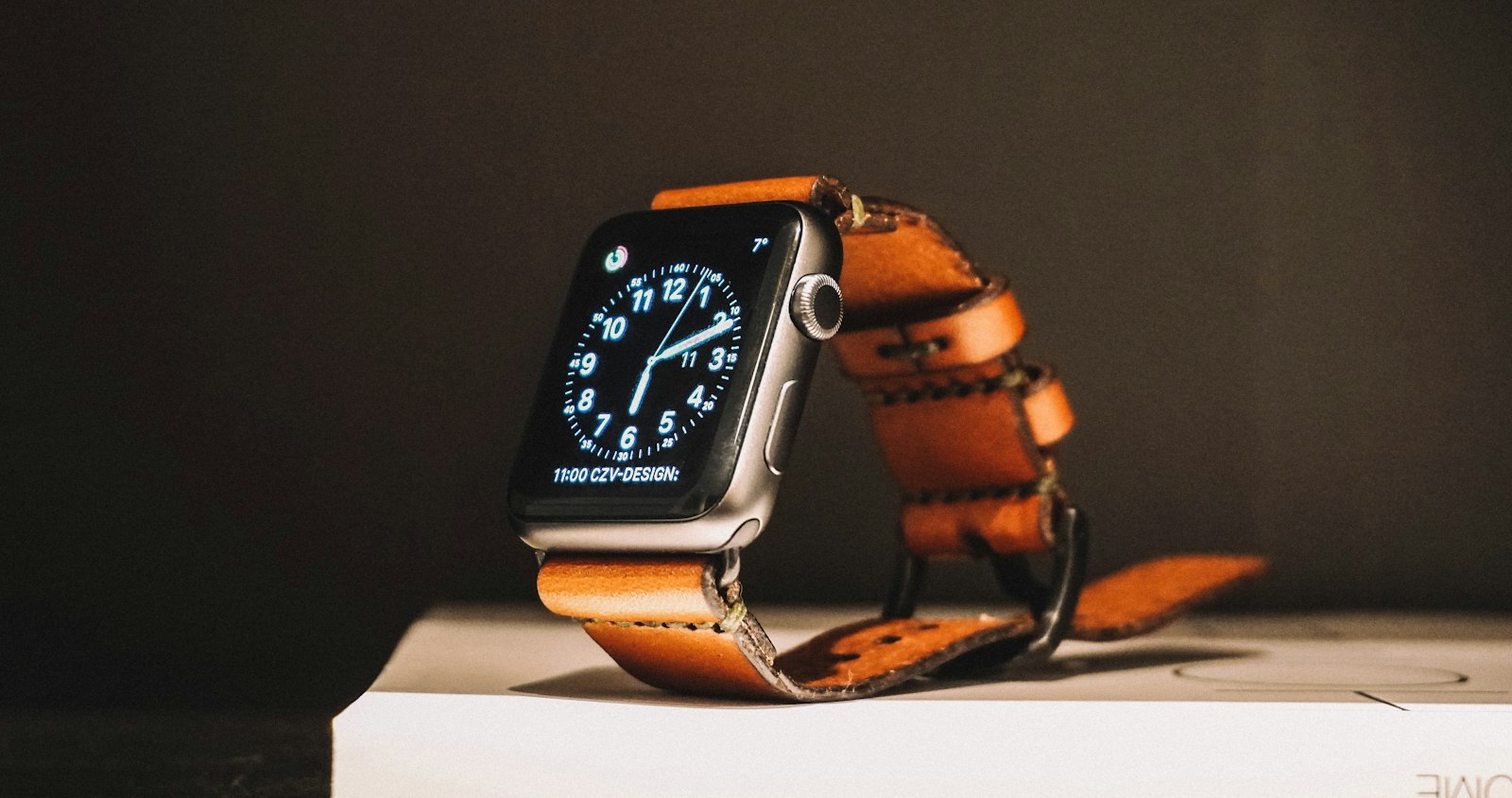
The gap between lab-measured and wearable-estimated VO2 max is real and worth understanding before you obsess over a daily number. Consumer devices use algorithms trained on heart rate response during runs or walks, calibrated against population averages. Validation studies comparing wearable estimates to lab gas-exchange testing generally find reasonable accuracy at a group level but meaningful individual error—sometimes several points off in either direction.
This matters because small day-to-day fluctuations in your watch's VO2 max score are frequently noise: sleep quality, hydration, temperature, and even strap fit can shift the reading. A single day's number is far less informative than the trend over 8-12 weeks. Treat your wearable estimate as a directional indicator, not a diagnostic value.
Fitness Trackers vs. Lab Testing: A Quick Reality Check
If you want a wearable-only strategy, focus on the trend line, not the daily digit. If you want precision—for training periodization, athletic benchmarking, or medical risk stratification—a supervised cardiopulmonary exercise test remains the only way to get a true, individualized number.
| Method | Accuracy | Best Use Case |
|---|---|---|
| Lab CPET (metabolic cart) | Gold standard, ±1-2 ml/kg/min | Clinical risk assessment, elite training |
| Chest-strap wearable estimate | Moderate, trend-reliable | General fitness tracking over months |
| Wrist-only optical estimate | Lower precision, higher variance | Casual motivation, not diagnostic use |
| Submaximal field tests (e.g., Cooper test) | Reasonable estimate with formula | Budget-friendly periodic check-ins |
What a 'Good' VO2 Max Actually Looks Like
Normative VO2 max values vary significantly by age, sex, and training status, so comparing yourself to elite endurance athletes—who can post scores above 70 ml/kg/min—is not a useful benchmark for most people. What matters more clinically is where you sit relative to age- and sex-matched population percentiles, and whether that number is trending upward with consistent training.
Research on fitness thresholds suggests that moving out of the bottom 20% of fitness for your demographic delivers the largest mortality risk reduction. In other words, the biggest health returns come from going from unfit to moderately fit—not from moderately fit to elite. This is genuinely good news: you don't need to become an ultramarathoner to capture most of the longevity benefit.
How to Actually Improve VO2 Max
The exercise science is consistent here across dozens of training studies: VO2 max responds best to a combination of high-intensity interval training and steady aerobic volume, sustained over months, not weeks.
Meta-analyses of interval training protocols generally show that sessions performed at 85-95% of max heart rate, in intervals of 3-5 minutes with equal recovery, produce measurable VO2 max improvements within 6-8 weeks in previously untrained or moderately trained individuals. Zone 2 steady-state cardio builds the aerobic base that supports those gains and improves mitochondrial density over longer timeframes.
- 2-3 interval sessions per week at high intensity
- 2-4 steady, conversational-pace aerobic sessions weekly
- Progressive overload: increase duration or intensity every 2-3 weeks
- Adequate recovery and sleep, since fitness adaptations occur during rest
Get a Clearer Picture of Your Cardiovascular Health
Pair your fitness tracking with an at-home lab panel covering cholesterol, inflammation markers, and metabolic health indicators that influence cardiorespiratory capacity.
Explore At-Home Testing →Should You Trust the Number on Your Wrist?
Use it, but with calibrated skepticism. A wearable VO2 max estimate is genuinely useful for spotting long-term trends, comparing your own fitness month over month, and staying motivated. It is not a substitute for a lab test if you need precise data for medical decisions, competitive training, or verifying real physiological change after a major training block.
For most people optimizing general health, the practical strategy is simple: pick one tracking method, stay consistent with it, train using proven interval and aerobic protocols, and check in quarterly rather than daily.
Chest-Strap Heart Rate Monitors
More accurate than wrist-only optical sensors for VO2 max estimation and interval training zones.
Shop Heart Rate Monitors →Track Recovery to Support Fitness Gains
Sleep and recovery quality directly influence VO2 max adaptation—consider a sleep tracker to round out your training data.
Shop Sleep Trackers →Talk to a Clinician About Your Cardio Risk Profile
If your fitness metrics or family history raise concerns, connect with a licensed provider for personalized cardiovascular guidance and screening.
Book a Consultation →From across the network
More from the network on related topics: VitaminSupplyCenter · TestBoostLab · EliteRecoveryLab.