Zone 2 training has become the default prescription for longevity-minded exercisers, promising better fat burning and mitochondrial health through easy, conversational-pace cardio. But between podcast hype and peer-reviewed physiology, there's a real gap worth examining before you restructure your entire training week around it.
What Zone 2 Actually Means (And Why It's Trending)
Zone 2 cardio refers to exercising at roughly 60–70% of your maximum heart rate — an intensity where you can still hold a conversation but feel real aerobic effort. Popularized by endurance coaches and longevity-focused physicians, it's marketed as the single most important training zone for metabolic health, fat oxidation, and mitochondrial density.
The appeal is obvious: it's low-impact, sustainable, and doesn't require gasping through intervals. But does the physiology actually support the hype, or is this another fitness trend riding on oversimplified science? We dug into the exercise physiology literature to find out.
The Physiological Case: Mitochondria and Fat Metabolism
The strongest evidence for Zone 2 training centers on mitochondrial biogenesis — the process by which cells build more and better-functioning mitochondria. Training at this intensity for sustained durations (45-90 minutes) appears to stimulate signaling pathways, including PGC-1alpha activation, that increase mitochondrial density in skeletal muscle over weeks of consistent training.
More mitochondria generally mean greater capacity to oxidize fat for fuel rather than relying heavily on glycogen. This matters because improved fat oxidation at submaximal intensities is associated with better metabolic flexibility — the ability of your body to efficiently switch between fuel sources, which tends to decline with age, inactivity, and insulin resistance.
Lactate Threshold and the 'Easy Effort' Marker
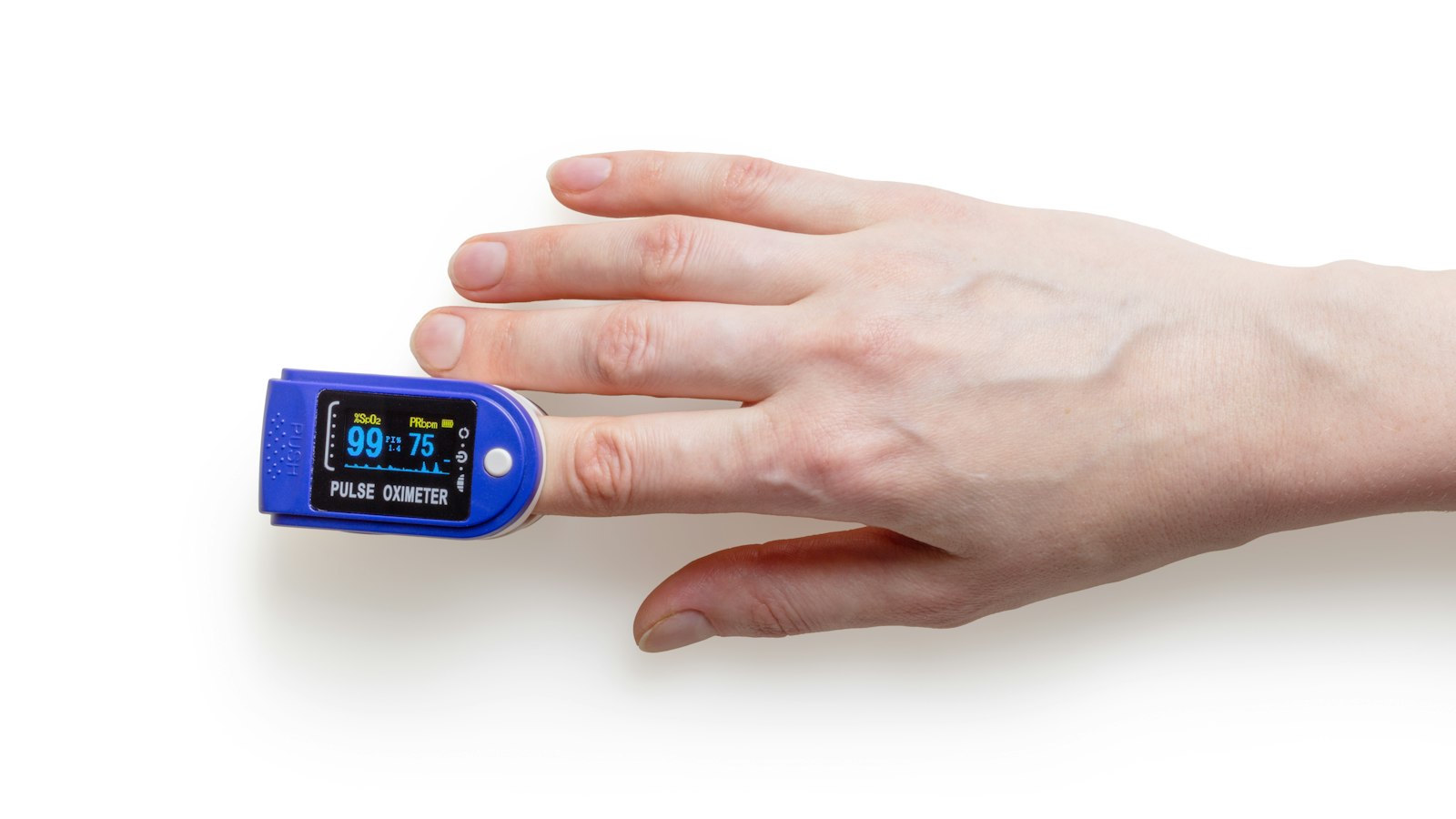
Physiologically, Zone 2 is often defined as the highest intensity you can sustain while blood lactate stays near baseline (roughly 1-2 mmol/L), before it begins climbing disproportionately. Training just below this threshold is theorized to push that threshold higher over time, meaning you can eventually work harder before fatigue-inducing lactate accumulation kicks in. This is genuinely useful for endurance athletes, but the research is less clear on how much it matters for general health outcomes in non-athletes.
What the Research Actually Shows
Much of the foundational research on Zone 2 training comes from elite endurance athlete populations, where coaches observed that top performers spend 70-80% of training volume at low intensity. Translating that model to general fitness and longevity contexts is a bigger leap than marketing suggests.
Studies in sedentary or moderately active adults do show that sustained moderate-intensity aerobic exercise improves VO2 max, insulin sensitivity, and cardiovascular risk markers. However, few trials directly compare Zone 2-specific protocols against other intensities (like interval training) for long-term healthspan outcomes in non-athletes. Much of the enthusiasm is extrapolated from athlete physiology and animal mitochondrial studies rather than large human longevity trials.
| Training Zone | Approx. % Max HR | Primary Adaptation | Best For |
|---|---|---|---|
| Zone 1 (Recovery) | 50-60% | Active recovery, blood flow | Rest days, warm-ups |
| Zone 2 (Aerobic Base) | 60-70% | Mitochondrial density, fat oxidation | Base building, metabolic health |
| Zone 3 (Tempo) | 70-80% | Lactate clearance efficiency | Race-pace endurance |
| Zone 4-5 (Threshold/VO2max) | 80-95%+ | Max oxygen uptake, power | Performance, time-efficient fitness |
Realistic Expectations: What Zone 2 Can and Can't Do
Zone 2 cardio is unlikely to be a magic bullet, but it's also not overhyped nonsense. Realistically, consistent Zone 2 training over 8-12+ weeks can meaningfully improve aerobic base fitness, support healthier resting metabolic markers, and build an endurance foundation that makes higher-intensity work more productive later.
What it won't do on its own is replace strength training for bone density and muscle mass, or outperform high-intensity interval training for rapid VO2 max gains in time-crunched schedules. The honest takeaway: Zone 2 is a valuable component of a well-rounded program, not a standalone solution for longevity or fat loss.
Tracking Zone 2 Accurately Matters
One of the biggest practical failures with Zone 2 training is intensity drift — people either go too hard (turning it into tempo work) or too easy (getting minimal stimulus). Heart rate alone can be misleading due to caffeine, heat, sleep debt, and cardiac drift during long sessions. This is where lab-grade metabolic and blood-based insight becomes genuinely useful rather than gimmicky.
Know Your Baseline Before You Build a Base
A comprehensive metabolic and lipid panel gives you objective markers — glucose, insulin, triglycerides — to actually measure whether your Zone 2 training is improving metabolic flexibility over time.
Check Panel Options →Combining Zone 2 With Strength and Intervals
The research consensus increasingly points toward a polarized training model: the majority of aerobic volume spent in Zone 2, complemented by 1-2 weekly sessions of higher-intensity intervals and resistance training. This combination appears to capture the mitochondrial and metabolic benefits of low-intensity volume while still driving VO2 max and strength adaptations that pure Zone 2 work cannot provide alone.
A Reliable Heart Rate Monitor Is Non-Negotiable
Chest-strap or armband heart rate monitors offer more accurate real-time data than wrist-based optical sensors, which is essential for staying honestly in zone during long aerobic sessions.
Browse Heart Rate Monitors →Check Markers That Influence Aerobic Capacity
Iron, thyroid function, and inflammation markers can all quietly limit endurance gains regardless of how well-structured your Zone 2 program is. Testing rules out hidden blockers before you blame your training.
Explore Testing →The Bottom Line
Zone 2 cardio works — but within realistic bounds. The physiological mechanisms behind mitochondrial adaptation and fat oxidation are legitimate and well-supported in exercise science, even if direct longevity trial data in humans is still catching up to the enthusiasm. It's best understood as a foundational training input, not a standalone wellness cure.
If you're starting a Zone 2 protocol in 2026, pair consistent, accurately-tracked low-intensity sessions with strength training and periodic lab testing to confirm the metabolic needle is actually moving. That combination — not Zone 2 alone — is what the evidence actually supports for long-term health and performance.
From across the network
More from the network on related topics: VitaminSupplyCenter · TestBoostLab · EliteRecoveryLab.