Heart rate variability training works like a protocol, not a lifestyle hack — and like any protocol, the benefit depends entirely on getting the dose, timing, and form right. Here's what the evidence actually supports, from session length to when low HRV means it's time for bloodwork instead of more breathing.
What "Dosing" Actually Means for HRV Training
Heart rate variability isn't a supplement you swallow — it's a signal you train by managing stress load. But the word "dosing" is still the right frame, because HRV responds to inputs in a dose-dependent way: breathing cadence, session length, frequency per week, and even the time of day you train all shift the outcome. Too little stimulus and you see no adaptation; too much, too often, and you blunt the parasympathetic gains you're chasing.
Think of HRV training the way a clinician thinks of a drug protocol: there's a minimum effective dose, a sweet spot, and a ceiling where more stops helping and starts interfering with sleep or recovery. This guide walks through the evidence-based ranges for breathing-based HRV training, biofeedback sessions, and the wearable-driven approach most people use in 2026.
The Core Dose: Slow Breathing at ~6 Breaths Per Minute
The best-studied HRV training method is resonance frequency breathing — slow, even breaths that sync inhale and exhale to roughly 5.5 to 6 breaths per minute. This cadence maximizes the amplitude of respiratory sinus arrhythmia, which is the physiological basis of most HRV biofeedback protocols used in cardiology and sports-science labs.
The typical published dose is 20 minutes per session, performed once or twice daily, for 4 to 6 weeks before meaningful resting HRV changes show up. Shorter one-off sessions (2-5 minutes) can acutely calm the nervous system and are useful before a stressful event, but they are not the dose that drives trait-level change.
- Minimum effective session: ~10 minutes at resonance frequency
- Standard training dose: 20 minutes, 1-2x/day, 4-6 weeks
- Maintenance dose once adapted: 10-15 minutes, 3-4x/week
Finding Your Personal Resonance Frequency
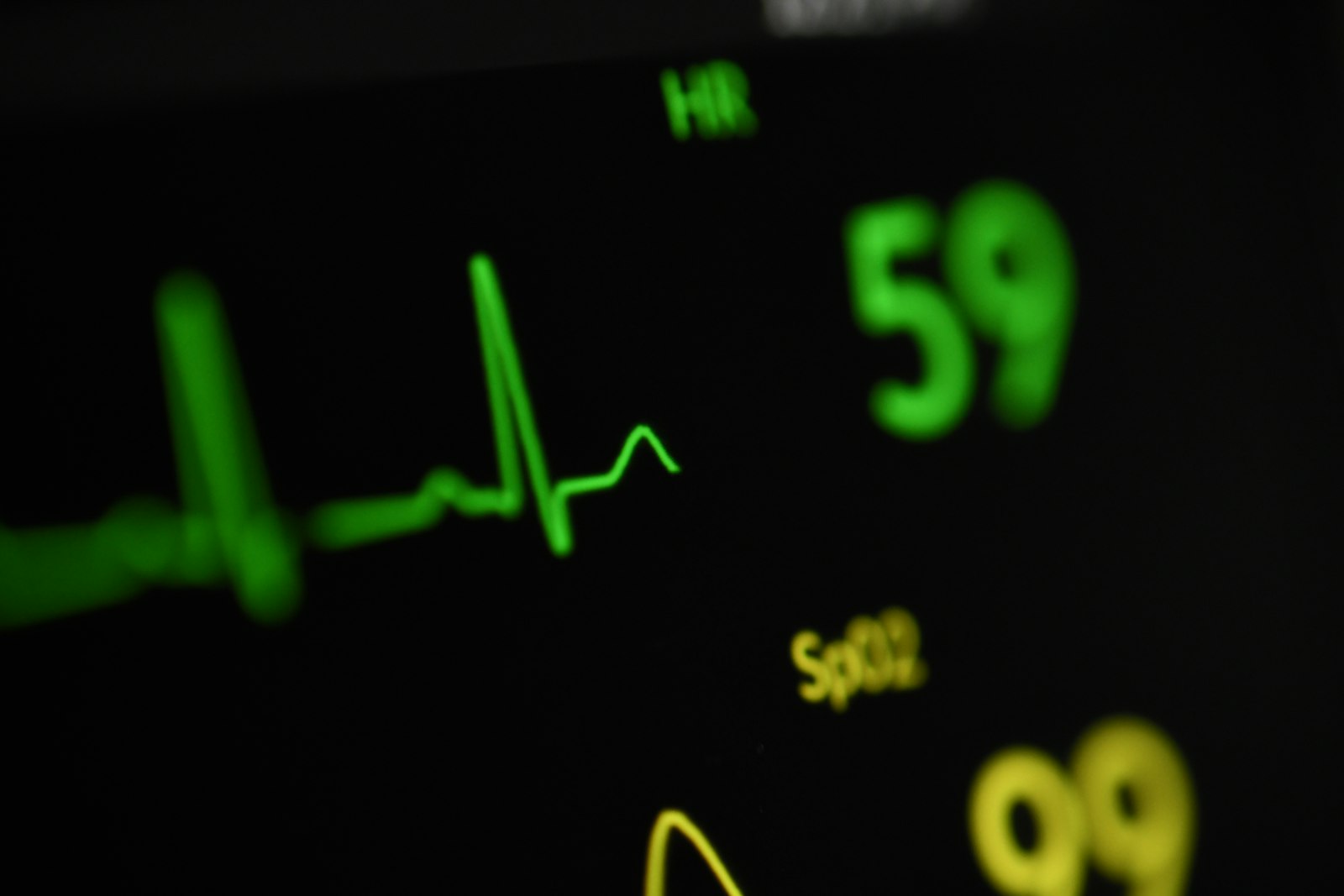
Resonance frequency varies by individual — usually somewhere between 4.5 and 7 breaths per minute, influenced by height and baseline autonomic tone. A proper biofeedback session tests several breathing rates and measures which one produces the largest, smoothest HRV oscillation. Many chest-strap and app-based HRV trainers automate this test in under 15 minutes.
If you skip personalized testing, 6 breaths per minute (inhale 4 seconds, exhale 6 seconds) is a safe, evidence-backed default that works for the majority of adults.
Track the signal you're training
A chest-strap heart rate monitor with ECG-grade accuracy gives far more reliable HRV readings than wrist optical sensors, especially during slow-breathing sessions.
Compare HRV Chest Straps →Weekly Frequency: How Often Is Too Often?
Daily practice is the dose used in nearly every clinical HRV biofeedback trial, typically for 6-10 weeks. After that initial block, most people maintain gains with 3-4 sessions per week. Training more than twice daily rarely produces extra benefit and can start to feel like another stressor, particularly if sessions are rushed or performed with anxiety about "getting the number right."
Athletes layering HRV training onto heavy physical training should pay attention to overlap: a hard resistance or endurance session already taxes the autonomic nervous system, so stacking a long breathing session immediately afterward may be counterproductive. Morning sessions, before the day's physical and cognitive load begins, tend to show the most consistent resting HRV improvement in field studies.
Best Time of Day to Train
Morning, upon waking, is the most common and well-supported window — it captures a baseline reading uninfluenced by caffeine, meals, or the day's stressors, and it sets a parasympathetic tone early. A second short session in the early evening, before dinner, is the next most useful slot, giving a buffer between work stress and sleep.
Avoid training within 90 minutes of intense exercise or within 30 minutes of caffeine intake, both of which can suppress HRV readings independent of actual autonomic recovery and make it hard to judge whether your training is working.
- Best: within 30 minutes of waking, before coffee
- Good: early evening, pre-dinner wind-down
- Avoid: immediately post-workout or post-caffeine
Device "Form": Chest Strap vs. Wrist vs. Finger Sensor
Form matters almost as much as dose. Chest straps using ECG or validated plethysmography give the cleanest R-R interval data, which is what real HRV biofeedback math depends on. Wrist-based optical sensors are convenient for 24/7 trend tracking but introduce more noise artifact during slow, measured breathing because movement and skin contact affect the optical signal.
Finger clip pulse oximeter-style sensors, often bundled with HRV biofeedback apps, sit in between — good enough for structured sessions where you're sitting still, not ideal for continuous daily monitoring.
| Method | Typical Session Dose | Best Use Case |
|---|---|---|
| Guided slow breathing (6 bpm) | 10-20 min, 1-2x/day | General stress & HRV baseline building |
| Resonance-frequency biofeedback | 20 min, daily x 6-10 wks, then 3-4x/wk | Personalized, clinically-studied protocol |
| Morning HRV check (device only) | 1-3 min reading, daily | Monitoring recovery trend, not training itself |
| Pre-event calming breath | 2-5 min, as needed | Acute stress/anxiety before performance |
Rule out what a wearable can't see
Chronically low HRV can reflect thyroid, cortisol, or metabolic issues that breathing alone won't fix. HealthRx connects you with physician-ordered lab panels to check the underlying picture.
Explore HealthRx Panels →Safety: When HRV Training Isn't Enough on Its Own
HRV biofeedback is low-risk for most healthy adults — the main side effect of overdoing it is lightheadedness from over-breathing or frustration from chasing a number too aggressively. That said, HRV is a downstream signal, not a diagnosis. Persistently low or declining HRV despite consistent training can point to issues biofeedback can't resolve: thyroid dysfunction, anemia, poor sleep architecture, or elevated inflammatory markers.
If your resting HRV stays flat or trends downward for more than 4-6 weeks of consistent practice, or if you notice it alongside fatigue, resting heart rate creep, or disrupted sleep, that's a signal to get bloodwork rather than increase your breathing dose further. People on beta-blockers or with diagnosed arrhythmias should check with a physician before using HRV biofeedback as a primary stress-management tool, since medication and heart rhythm conditions directly alter the R-R interval data the whole method relies on.
Check hormonal drivers of poor recovery
Cortisol and sex-hormone imbalances are common, overlooked contributors to stagnant HRV. EmpowerDx offers CLIA-certified home test kits that pair well with a structured training log.
See EmpowerDx Kits →A Simple 6-Week Starting Protocol
Week 1-2: Establish your baseline. Take a resting HRV reading each morning before anything else, then practice 10 minutes of 6-breaths-per-minute breathing once daily. Week 3-4: Extend sessions to 20 minutes and, if your device supports it, run a resonance-frequency test to fine-tune your personal cadence. Week 5-6: Hold the 20-minute dose daily, add a short 5-minute evening session, and start tracking weekly average HRV rather than single-day numbers, since day-to-day swings are normal and not meaningful on their own.
After six weeks, taper to a 3-4x/week maintenance dose and keep the morning baseline reading as your long-term recovery dashboard.
Structured breathing, done for you
HRV biofeedback devices with built-in resonance-frequency testing and guided pacing remove the guesswork from finding your personal breathing dose.
Shop HRV Biofeedback Devices →From across the network
More from the network on related topics: VitaminSupplyCenter · TestBoostLab · EliteRecoveryLab.