Hs-CRP has become one of the most talked-about blood markers in cardiovascular health, but its value depends entirely on how it's tested, interpreted, and acted upon. Here's what the evidence actually supports.
What Hs-CRP Actually Measures
High-sensitivity C-reactive protein (hs-CRP) is a blood marker produced by your liver in response to inflammation anywhere in the body. Unlike the standard CRP test used to detect acute infection or injury, the high-sensitivity version can detect much lower concentrations, making it useful for assessing chronic, low-grade inflammation, the kind linked to long-term cardiovascular risk.
Because hs-CRP doesn't tell you where inflammation is coming from, it's considered a risk marker rather than a diagnostic test on its own. It's most useful when interpreted alongside your lipid panel, blood pressure, glucose, and personal risk factors like smoking or family history of heart disease.
The Evidence: What Research Actually Shows
Large population studies, including the landmark JUPITER trial, found that people with elevated hs-CRP had a meaningfully higher risk of cardiovascular events even when their LDL cholesterol looked normal. This helped establish hs-CRP as a complementary marker for risk stratification, particularly in people who appear low-risk by cholesterol numbers alone.
Subsequent research has been more nuanced: hs-CRP correlates with risk but is not a direct cause of disease in most cases, and its predictive value is strongest when combined with traditional risk calculators rather than used in isolation. Professional cardiology guidelines generally position hs-CRP as an optional add-on test for intermediate-risk patients, not a first-line screening tool for everyone.
| Hs-CRP Level | Cardiovascular Risk Category |
|---|---|
| Below 1.0 mg/L | Low risk |
| 1.0–3.0 mg/L | Average/moderate risk |
| Above 3.0 mg/L | High risk |
| Above 10 mg/L | Likely acute inflammation or infection, retest later |
Who Benefits Most From Testing
Hs-CRP testing tends to add the most value for people sitting in the gray zone of cardiovascular risk, those with borderline cholesterol, a family history of heart disease, metabolic syndrome, or lifestyle factors like smoking. It can help a clinician decide whether more aggressive risk-reduction strategies are warranted.
People already diagnosed with autoimmune conditions, chronic infections, or inflammatory diseases may also track hs-CRP over time to monitor disease activity or response to treatment, though in these cases it's typically ordered alongside other inflammatory markers like ESR.
- Adults with borderline or intermediate 10-year cardiovascular risk scores
- Those with a strong family history of early heart disease
- People monitoring chronic inflammatory or autoimmune conditions
- Individuals evaluating overall metabolic and cardiovascular health as part of a broader panel
Order Hs-CRP Testing Without a Doctor Visit
Personalabs lets you order hs-CRP and companion cardiovascular panels online, then visit a local lab for a quick draw, with results delivered securely to your phone.
Check Hs-CRP Test Pricing →
What Can Raise or Skew Your Result
Hs-CRP is sensitive by design, which means it reacts to more than just cardiovascular inflammation. Recent infections, injuries, intense exercise, dental issues, and even a bad cold can temporarily spike the number well above your baseline. This is why a single high reading isn't cause for alarm, retesting after a few weeks when you're feeling well is standard practice.
Body composition also matters. Higher levels of visceral fat tissue actively produce inflammatory signaling molecules, which is part of why obesity is consistently associated with elevated hs-CRP independent of other cardiovascular risk factors. Smoking, poor sleep, and chronic stress have also been associated with modestly elevated readings in observational research.
- Recent illness, infection, or injury
- Strenuous exercise in the 24–48 hours before testing
- Chronic smoking
- Excess visceral fat and metabolic syndrome
- Poor sleep quality and chronic psychological stress
Side Effects and Risks of the Test Itself
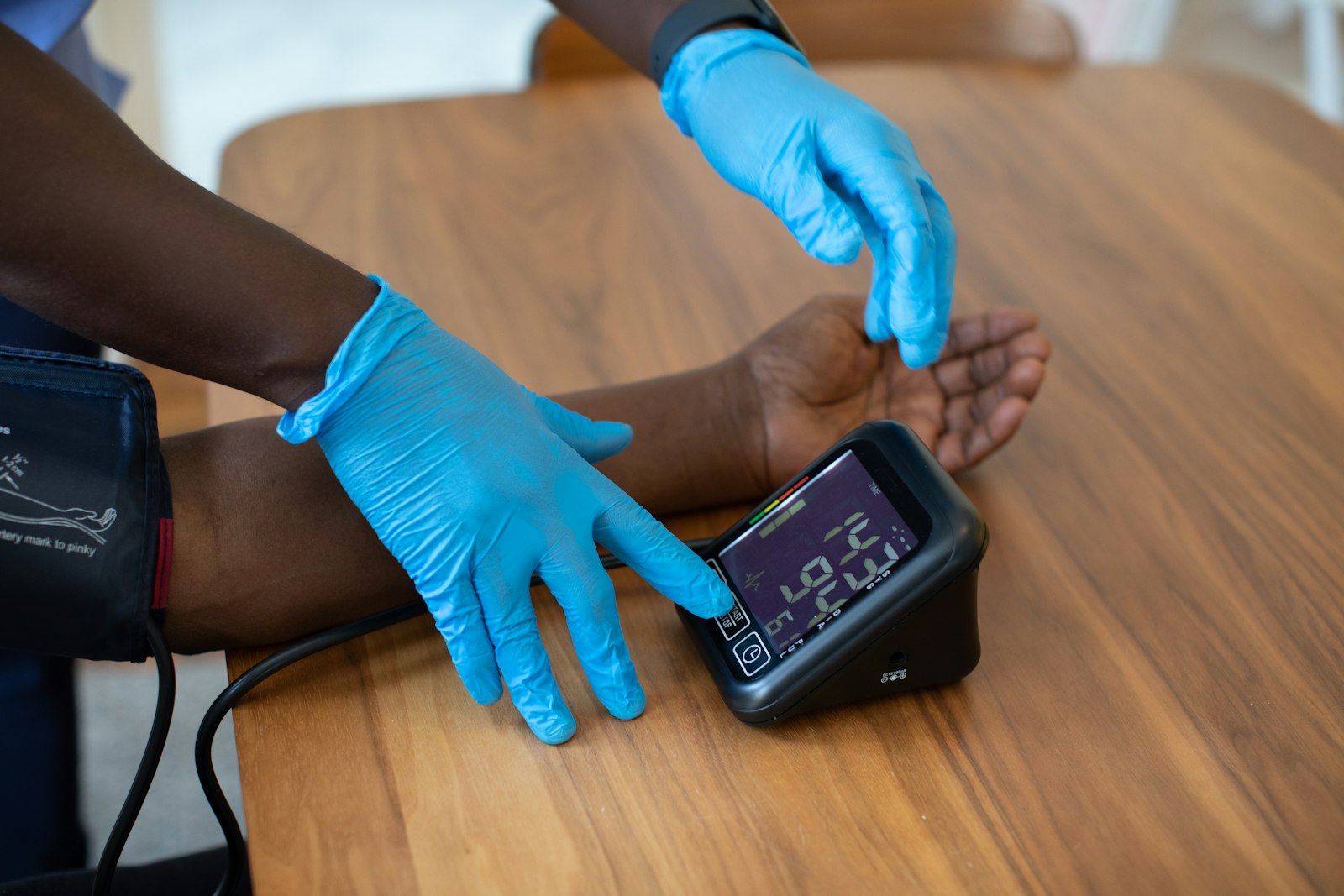
Hs-CRP is a standard blood draw, so the physical side effects are the same as any routine lab test: minor bruising, brief soreness at the site, or lightheadedness for those sensitive to needles. There is no medication or supplement involved in the test itself, so there are no pharmacological side effects to consider.
The more meaningful risk is interpretive. Because hs-CRP is nonspecific, an elevated result without proper context can lead to unnecessary anxiety or, in some cases, unnecessary follow-up testing and imaging. Working with a clinician who understands how to place the number alongside your full risk profile helps avoid overreacting to a single data point.
Lowering Hs-CRP: What Actually Moves the Needle
The interventions best supported by evidence for reducing chronic inflammation and hs-CRP levels overlap heavily with standard cardiovascular risk reduction: sustained aerobic exercise, weight loss in those carrying excess visceral fat, smoking cessation, and dietary patterns rich in vegetables, fiber, and omega-3 fatty acids while lower in refined sugar and processed meat.
Statin therapy has also been shown in clinical trials to lower hs-CRP independent of its cholesterol-lowering effect, which is part of the rationale behind using hs-CRP to help identify patients who may benefit from statins even with average LDL levels. Any medication decision should be made with your physician based on your full risk profile, not on hs-CRP alone.
- Regular aerobic exercise, 150+ minutes per week
- Gradual weight loss if excess visceral fat is present
- Complete smoking cessation
- A diet emphasizing fiber, vegetables, and omega-3 sources
- Consistent sleep and stress management practices
Track Inflammation Alongside Full Cardiometabolic Markers
EmpowerDx offers convenient home collection kits so you can monitor hs-CRP trends over time without repeated clinic visits, ideal for tracking progress after lifestyle changes.
Explore EmpowerDx Kits →Support Healthy Inflammation Levels Daily
High-quality omega-3 fish oil is one of the most studied nutritional interventions associated with lower inflammatory markers when paired with a balanced diet.
Shop Omega-3 Supplements →How Often Should You Test
For most healthy adults using hs-CRP as part of periodic cardiovascular risk assessment, testing once every one to two years is reasonable, in line with routine lipid panel scheduling. If your result comes back elevated, a repeat test two to three weeks later, once any acute illness has resolved, helps confirm whether the elevation reflects a persistent pattern rather than a temporary spike.
Those actively working on lifestyle changes, weight loss, or new medication may want to retest every three to six months to gauge whether interventions are having a measurable effect. As always, trends over time are far more informative than any single reading.
From across the network
More from the network on related topics: VitaminSupplyCenter · TestBoostLab · EliteRecoveryLab.